
How Long Does Tirzepatide Take to Work? A Week-by-Week Results Timeline
Quick Answer
Most people feel reduced appetite within 1–2 weeks of starting tirzepatide. Measurable weight loss typically begins between weeks 4–8 as the dose increases. Significant results — 15 to 20 percent of body weight — generally appear over 3 to 6 months. In clinical trials, the average weight loss at maximum dose reached 22.5% at 72 weeks — the highest of any approved weight loss medication to date.
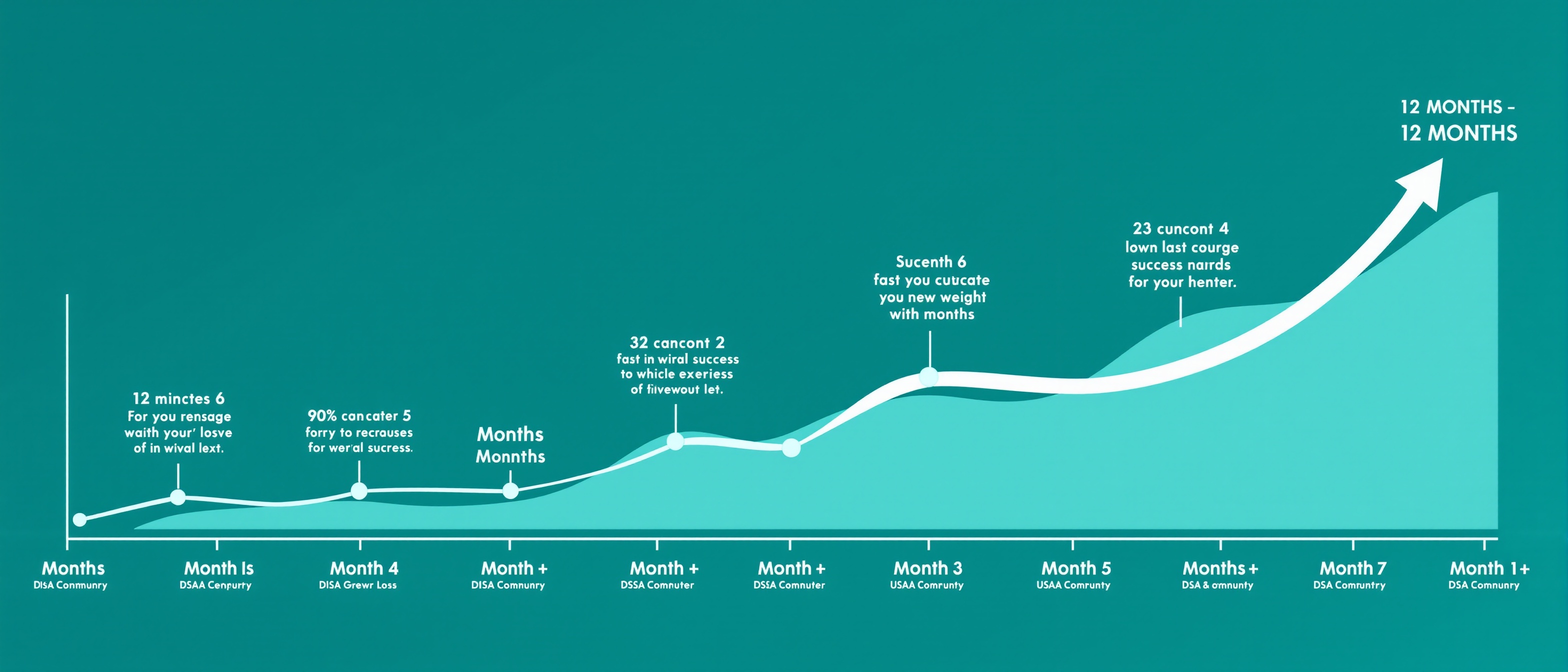
Starting tirzepatide — whether as Mounjaro, Zepbound, or compounded tirzepatide — is exciting, but the first few weeks can also feel like a waiting game. Patients always ask me the same thing: when will I know it's working? The honest answer is that you'll likely feel the appetite suppression before you see dramatic scale movement. And that's exactly how it's supposed to work.
This guide walks you through the week-by-week experience of starting tirzepatide, explains why the slow dose increases are designed that way, and gives you realistic benchmarks so you know what to expect — and what not to worry about.
Why Tirzepatide Takes Time: The Titration Phase Explained
Tirzepatide is always started at 2.5 mg per week — a dose chosen entirely for tolerability, not therapeutic weight loss. Because tirzepatide activates both GIP and GLP-1 receptors, starting at a lower dose than semaglutide actually makes sense: the dual-action effect can be stronger on the GI system early on. The full titration takes approximately 20 weeks to reach the maximum 15 mg dose.
Important: The First 4 Weeks Are Not About Fat Loss
The 2.5 mg starting dose is a titration dose — not a therapeutic dose. It exists to help your body adapt to tirzepatide's dual receptor activity. Meaningful weight loss begins at 5 mg and above. If you see little scale movement in the first month, this is completely expected and by design.
Week-by-Week Tirzepatide Results Timeline
- First injection — lowest starting dose, designed for tolerability
- Appetite suppression may begin within 3–7 days
- Reduction in 'food noise' often the first effect noticed
- Possible mild nausea, fatigue, or GI discomfort
- Scale weight change: minimal (0–3 lbs)
- Dose doubles — first therapeutic weight loss level
- Hunger levels noticeably reduced for most patients
- Smaller portions feel satisfying and sustainable
- GI side effects typically improving by now
- Scale weight change: 4–8 lbs cumulative
- Dual GIP + GLP-1 effects becoming more pronounced
- Stronger, more consistent appetite suppression
- Steady weekly weight loss — momentum building
- Energy levels typically stabilizing
- Scale weight change: 8–14 lbs cumulative
- Most active fat-burning phase for many patients
- Visible body composition changes becoming apparent
- Blood sugar, lipids, and metabolic markers improving
- Cravings for processed foods notably reduced
- Scale weight change: 12–18 lbs+ cumulative
- Near-maximum dose — strong therapeutic effect
- Continued strong weekly weight loss
- Significant improvement in all metabolic markers
- Many patients have lost 15–20% body weight by this point
- Scale weight change: 18–25 lbs+ cumulative (varies)
- Maximum approved dose reached: 15 mg per week
- Peak weight loss effect — SURMOUNT-1 avg: 22.5% at 72 weeks
- More than 1 in 3 patients lose 25%+ of body weight
- Long-term maintenance phase with prescriber guidance
- Scale weight change: Full results — highly individual
Tirzepatide Dosing Schedule: The Full 6-Step Titration
Tirzepatide has a longer titration schedule than semaglutide — six dose levels over approximately 20 weeks to reach the 15 mg maximum. Each step lasts 4 weeks, though your prescriber may extend any step if needed for tolerability.
| Weeks | Dose | Primary Goal | What to Expect |
|---|---|---|---|
| 1–4 | 2.5 mg | Tolerability | Adjustment phase — early appetite changes, GI system adapting |
| 5–8 | 5 mg | Early weight loss | First therapeutic dose — hunger clearly reduced, scale begins moving |
| 9–12 | 7.5 mg | Building momentum | Dual GIP+GLP-1 effects strengthening, steady weekly loss |
| 13–16 | 10 mg | Accelerating results | Active fat-burning phase, visible body changes, metabolic improvements |
| 17–20 | 12.5 mg | Near-max effect | Strong therapeutic effect — many patients at 15–20% body weight lost |
| 21+ | 15 mg | Maximum effect | Full therapeutic dose — peak results build toward 22.5% avg over 72 weeks |
Note: Dosing schedule may be adjusted by your prescriber based on individual response and tolerability.
Brand Name vs. Halo Compounded: Real Monthly Costs
| Cost Factor | Brand Ozempic | Brand Wegovy | Halo Compounded |
|---|---|---|---|
| Monthly Medication Cost | $900– $1,000 | $1,300– $1,500 | $199Semaglutide$299Tirzepatide |
| Consultation / Prescriber Fee | $0(with PCP) | $0(with PCP) | $0Free evaluation |
| Shipping & Delivery | Pharmacy pickupor mail-order varies | Pharmacy pickupor mail-order varies | $0Free 2-3 day shipping |
| Insurance Required? | Often required for coverage | Often required for coverage | No insurance needed |
| Active Ingredient | Semaglutide | Semaglutide | Same semaglutide / tirzepatide |
| Total First Month | $900+out of pocket | $1,300+out of pocket | $199everything included |
| Your Savings | Baseline | Baseline | Save up to 85% |
Same active ingredient. A fraction of the price.
No insurance. No hidden fees. Ship to your door in 2-3 days.
Ready to see results for yourself?
Get a personalized tirzepatide or semaglutide treatment plan. Free shipping, no insurance required, care team support.
What the SURMOUNT-1 Trial Actually Showed
The SURMOUNT-1 clinical trial is the landmark study for tirzepatide in weight management. It enrolled adults with obesity (without type 2 diabetes) and followed them for 72 weeks. The results were unprecedented for an approved weight loss medication.
SURMOUNT-1 Trial — Average Weight Loss at 72 Weeks by Dose
Data from published SURMOUNT-1 clinical trial (Jastreboff et al., 2022). Individual results vary.
Factors That Affect How Fast Tirzepatide Works for You
Factors That Improve Results
- High protein intake (0.7–1g per pound of body weight daily)
- Consistent resistance training to preserve lean muscle mass
- Quality sleep — 7 to 9 hours per night consistently
- Minimizing alcohol and ultra-processed food intake
- Staying well hydrated throughout the day
- Regular prescriber check-ins for dose and protocol optimization
Factors That Slow Results
- Staying on the 2.5 mg starting dose beyond the recommended 4 weeks
- High-calorie liquid intake — smoothies, juice, sodas, alcohol
- Untreated thyroid dysfunction or insulin resistance
- Chronic stress and elevated cortisol disrupting hormonal balance
- Inconsistent injection schedule or missed doses
- Poor sleep quality — disrupts ghrelin and insulin sensitivity
Tirzepatide vs Semaglutide: How the Timelines Compare
A common question is whether tirzepatide works faster than semaglutide. The short answer: the initial onset of appetite suppression is similar for both — within the first 1 to 2 weeks. The real difference is in how much weight is lost over the long term, not how fast you first notice an effect.
| Milestone | Semaglutide | Tirzepatide |
|---|---|---|
| First appetite suppression | Days 3–7 | Days 3–7 |
| Starting dose | 0.25 mg | 2.5 mg |
| Time to max dose | ~17 weeks | ~20–24 weeks |
| Max approved dose | 2.4 mg/week | 15 mg/week |
| Noticeable weight loss begins | Weeks 4–8 | Weeks 4–8 |
| 10 lbs lost (avg) | ~Months 2–3 | ~Months 2–3 |
| 15% body weight loss | ~12–16 months | ~6–10 months |
| Peak average weight loss | ~15% body weight | ~22.5% body weight |
| Receptor mechanism | GLP-1 only | GLP-1 + GIP (dual) |
For a full breakdown of efficacy, side effects, cost, and how to decide which medication is right for your situation, see our semaglutide vs tirzepatide comparison guide.
What to Do If You Hit a Plateau on Tirzepatide
Weight loss plateaus are normal and common, particularly around months 4 to 8. A plateau does not mean the medication has stopped working — it usually means your body has adapted and one or more adjustments will break through it.
- Ask your prescriber about moving to the next dose level if not at maximum yet
- Audit your actual calorie intake — tirzepatide reduces hunger but does not override a caloric surplus
- Add or increase strength training to maintain metabolically active lean muscle tissue
- Optimize sleep quality — poor sleep raises cortisol which directly counteracts GLP-1 and GIP signaling
- Increase daily water intake and reduce high-sodium processed foods causing water retention
- Ask your prescriber about checking thyroid, testosterone, or cortisol if plateau is prolonged
For a deeper dive, read our guide on breaking through weight loss plateaus on GLP-1 medications.
Frequently Asked Questions
How long does it take to see results from tirzepatide?
Most people notice reduced appetite and a quieting of food cravings within the first 1 to 2 weeks of starting tirzepatide. Measurable weight loss typically begins between weeks 4 and 8 as the dose increases above the starting titration level. Significant results — 10 to 15 percent of body weight lost — generally appear over 3 to 5 months. Peak average results, roughly 20 to 22 percent of total body weight, are typically reached between 12 and 18 months of continuous treatment.
Why am I not losing weight on tirzepatide after 4 weeks?
Not losing significant weight in the first 4 weeks on tirzepatide is completely normal and expected. The 2.5 mg starting dose is a tolerability dose, not a weight loss dose. Its purpose is to let your gastrointestinal system gradually adjust to GIP and GLP-1 receptor activation. Meaningful weight loss begins once the dose reaches 5 mg and above. If you have been on a dose of 5 mg or higher for 8 or more weeks with no results, discuss dose optimization with your prescriber.
When does tirzepatide start suppressing appetite?
Appetite suppression is usually the first effect people notice, often within 3 to 7 days of the first injection. Many patients describe a dramatic reduction in food noise — the constant mental preoccupation with eating — within the first two weeks. Because tirzepatide activates both GIP and GLP-1 receptors simultaneously, the appetite-suppressing effect can feel more pronounced than with single-agonist medications, particularly as the dose increases.
How much weight can you lose in the first month on tirzepatide?
In the first month on tirzepatide, most people lose between 2 and 6 pounds. The 2.5 mg starting dose is not yet at a therapeutic weight loss level, so early results are modest. Some patients lose more if they also make meaningful dietary changes. The real acceleration in weight loss happens between months 2 and 5 as the dose increases through the titration schedule. Do not judge tirzepatide's effectiveness based on the first 4 weeks alone.
How does tirzepatide work differently from semaglutide?
Semaglutide activates only the GLP-1 receptor, while tirzepatide activates both the GLP-1 receptor and the GIP (glucose-dependent insulinotropic polypeptide) receptor. This dual-agonist mechanism is why tirzepatide tends to produce greater weight loss on average — roughly 20 to 22 percent of body weight versus approximately 15 percent for semaglutide — over comparable treatment durations. Both medications suppress appetite, slow gastric emptying, and improve blood sugar regulation, but tirzepatide's GIP action adds an additional pathway for fat metabolism and metabolic improvement.
What is the maximum dose of tirzepatide?
The maximum approved dose of tirzepatide is 15 mg per week, reached after approximately 20 weeks of titration from the 2.5 mg starting dose. The full titration schedule is: 2.5 mg for weeks 1 to 4, 5 mg for weeks 5 to 8, 7.5 mg for weeks 9 to 12, 10 mg for weeks 13 to 16, 12.5 mg for weeks 17 to 20, and 15 mg from week 21 onward. Your prescriber may keep you at a given dose for longer if needed for tolerability.
What do the SURMOUNT trials show about tirzepatide results?
The SURMOUNT-1 trial — the landmark clinical study for tirzepatide in weight management — showed remarkable results. Participants on the 15 mg dose achieved an average of 22.5 percent total body weight loss over 72 weeks, compared to approximately 2.6 percent for placebo. More than a third of participants lost 25 percent or more of their body weight. These results significantly exceed what was previously seen in single-agonist GLP-1 trials, establishing tirzepatide as the most effective approved weight loss medication currently available.
Can I speed up weight loss on tirzepatide?
While you cannot rush the titration schedule safely, you can maximize results by combining tirzepatide with a protein-forward, lower-calorie diet, regular strength training (3 to 4 times per week) to preserve muscle mass during fat loss, adequate sleep of 7 to 9 hours per night, consistent hydration, stress management, and avoiding alcohol and highly processed foods. These factors work synergistically with tirzepatide's dual-hormone mechanism. Discuss your progress at every telehealth check-in so your prescriber can optimize your dose.
What happens if I stop taking tirzepatide?
If you stop tirzepatide, appetite suppression ends within days as the medication begins clearing from your system. Tirzepatide has a half-life of approximately 5 days, so it clears fully within about 4 to 5 weeks. Studies following SURMOUNT participants who stopped treatment showed that most people regain a substantial portion of lost weight within 12 to 18 months — similar to what is seen with other GLP-1 medications. Tirzepatide is most effective as a long-term treatment strategy. Speak with your prescriber before discontinuing.
Is tirzepatide better than semaglutide for weight loss?
On average across clinical trials, tirzepatide produces greater total body weight loss — approximately 20 to 22 percent versus roughly 15 percent for semaglutide. Head-to-head studies like SURPASS-CVOT confirm this difference in metabolic outcomes. However, 'better' depends on the individual. Both are highly effective medications. Some patients respond exceptionally well to semaglutide. The best choice depends on your medical history, tolerability, insurance coverage, and prescriber recommendation. See our full semaglutide vs tirzepatide comparison for a detailed breakdown.
Ready to Start Tirzepatide?
Get a personalized tirzepatide or semaglutide treatment plan from a licensed prescriber — fast, convenient telehealth with no long waits.

Share to Threads
Post this article to @halorxmeds
Share to X
Post this article to @halorxmeds
Share to Instagram
Post this article to @halorxmeds